
Shopping for an oscillating multi-tool gets easier once you know which details change how the tool feels in use and how clean the results turn out. Motor power, speed control, comfort, and accessory fit all shape the experience, and small differences matter when you work in tight corners or on long jobs. This article walks through the features worth comparing before you buy, the trade-offs between corded and cordless models, and the safety habits that keep the work steady. Use it as a checklist while you compare models, and match the tool to the jobs you actually do most often.
Power and Speed
Power is the first thing to weigh, because it decides which materials the oscillating multi-tool can handle without stalling. A stronger motor keeps its pace through dense wood, metal, or masonry, while a weak one slows down, heats up, and leaves rough edges. Look at the motor rating together with the speed range, since a tool that only runs at one speed forces you to work at its pace instead of yours. Variable speed gives you room to slow down for careful work and speed up when the material allows it.
Speed control matters just as much as raw power on delicate jobs. A dial, a trigger, or a speed selector lets you match the pace to the material, so you can ease into a cut and avoid scorching wood or chipping tile. Models with several speed settings or a wide range give you more room to learn the tool and grow into harder jobs. If you expect to switch between materials often, treat a wide speed range as a core feature rather than a bonus.
Corded or Cordless
The choice between corded and cordless shapes how and where you use the oscillating multi-tool. Corded models run as long as the job lasts and usually cost less for the same power, which suits long sessions in a workshop with outlets nearby. Cordless models trade some run time for freedom, letting you work on a roof, in a yard, or inside a finished room without dragging a cord behind you. Think about where your jobs actually happen before you decide.
If you go cordless, check what comes in the box. Some models arrive as a bare tool with no battery or charger, which is fine if you already own batteries from the same system but costly if you do not. A kit with one or two batteries and a charger costs more up front yet avoids a surprise purchase later. Also consider battery size, since a larger battery runs longer but adds weight that your arms will notice on overhead work.
Changing Blades and Accessories
An oscillating multi-tool is only as useful as its accessories, so the way blades and pads change deserves close attention. Tool-free changes save time and keep the work flowing, especially on jobs that need several accessory swaps in a row. Look for a release that you can work with one hand and that holds the accessory firmly once it locks in place. A fiddly change system turns a quick job into a chore and tempts you to keep using a dull blade too long.
Accessory fit matters just as much as the change mechanism. Some tools accept accessories from many brands, which keeps replacement blades easy to find and reasonably priced. Others use a narrower fitting that limits your choices. Check which blades, discs, or bits the tool takes, and make sure the ones you need are easy to buy near you. A wide accessory range also lets the tool grow with you as new jobs come up.
Comfort and Control
Comfort decides whether you enjoy using the oscillating multi-tool or dread it. Hold the tool if you can before buying, and notice the grip shape, the weight, and where the balance point sits. A slim barrel grip or a rubberized handle helps on long sessions, while a side handle adds control when the tool kicks or binds. Weight matters most on overhead work, where even a pound or two changes how steady your arms stay.
Vibration is the other half of comfort. A tool that shakes hard will tire your hands quickly and make fine work harder to control. Look for designs that mention vibration control, counterbalance, or a soft grip, and keep in mind that a well-balanced tool often feels smoother than a heavier one with more power. If you expect long sessions, comfort deserves as much weight in your decision as motor size.
Safety and Dust
Safety features are easy to overlook until you need them. A guard that adjusts without tools, a lock-on switch you can reach easily, and a clutch or overload protection all help when a disc binds or a bit catches. Check that the guard covers the working area well and that the switch falls naturally under your hand. These details cost little yet make a real difference the first time something goes wrong.
Dust control is part of safety too. Cutting, grinding, and drilling throw dust and chips into the air, so eye protection and a dust mask belong in the routine for every job. Some tools work with dust extraction accessories, which help when you cut indoors or near finished surfaces. Keep the work area clear, wear gloves that fit well, and never remove a guard to reach a tight spot, since that trade rarely ends well.
Matching the Tool to Your Materials
Different materials ask for different strengths from an oscillating multi-tool. Soft wood and drywall forgive a modest motor, while metal, tile, and masonry demand more power and the right accessory. A tool that handles your hardest material with ease will handle the easy ones without effort, so buy for the hardest regular job rather than the average one. If you work with only one material, you can focus on the features that suit it and ignore the rest.
Accessory choice is part of matching the tool to the material. Blades and discs wear at different rates on different surfaces, and a fresh accessory made for the material cuts cleaner and runs cooler than a worn or mismatched one. Keep a small stock of the accessories for the materials you touch most, and check that replacements are easy to buy near you. A tool with good accessory support stays useful as your projects change.
Frequently Asked Questions
Can one oscillating multi-tool handle both light and heavy jobs? In many cases yes, if the motor and speed range are wide enough. A model with variable speed and a solid motor can move from careful trim work to tougher material, though it will not replace a dedicated heavy-duty machine for daily professional use. Match the tool to the hardest job you expect to do regularly rather than the easiest one.
Do I need to buy accessories right away? It helps to have the basics on hand, since the blades, discs, or bits that come in the box may not match your first job. Buy the accessories for the material you work with most, and add others as new jobs appear. Keeping a small stock of fresh accessories also means you replace dull ones promptly instead of pushing them past their best.
Related products
The six oscillating multi-tools below show different mixes of power, comfort, and accessories. Compare them against the jobs on your list and the features covered in this article.
DEWALT 20V MAX XR Oscillating Multi-Tool

- Three speed settings let you match the pace to the job, with oscillations reaching 20,000 per minute on the top setting.
- A brushless motor runs longer than a brushed motor on a charge, and a dual-grip variable speed trigger gives fine control.
- A universal adapter fits accessories from most oscillating tool brands, so blades and pads are easy to swap in.
CRAFTSMAN V20 Cordless Oscillating Tool Kit
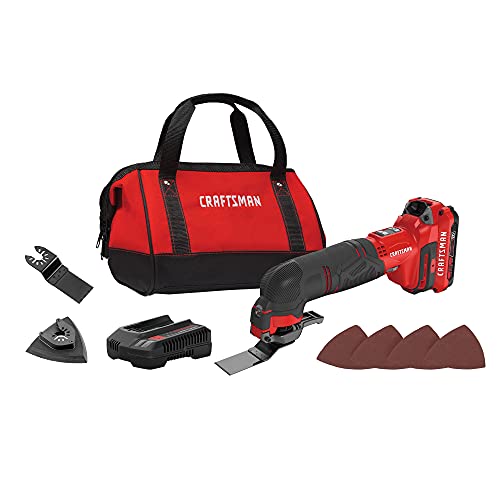
- A variable speed dial lets you slow the tool for careful cuts and speed it up for faster work.
- An LED work light shines on the cutting area so lines stay visible in dim corners.
- A tool-free universal attachment makes blade changes quick, and the kit arrives with a battery and charger.
Hammerhead 2.2-Amp Oscillating Multi-Tool
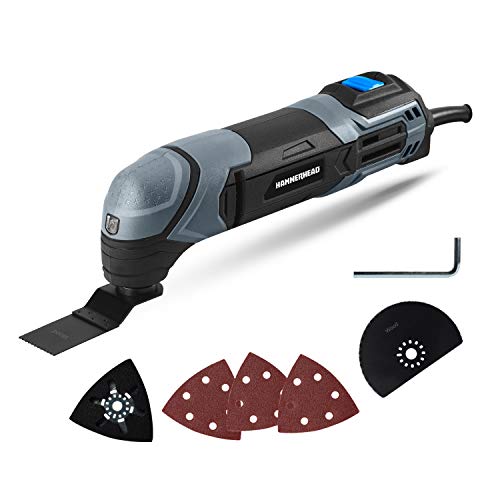
- A 2.2-amp motor reaches up to 20,000 oscillations per minute for cutting, trimming, grinding, and sanding.
- A compact body with a soft grip keeps the tool comfortable to hold and steady to guide.
- A variable speed dial adjusts the pace for different jobs, and the universal collet fits standard blades and accessories.
JORGENSEN Corded Oscillating Multi-Tool Kit

- A 5-degree oscillation angle moves the blade through material with steady, efficient strokes.
- The kit includes 16 pieces, with flush-cut blades and a scraper blade among the accessories for varied jobs.
- Seven speed settings run from 8,000 to 16,000 oscillations per minute, and blades change quickly with a locking bracket that shields fingers during the change.
WORKPRO 3.0 Amp Corded Oscillating Multi-Tool
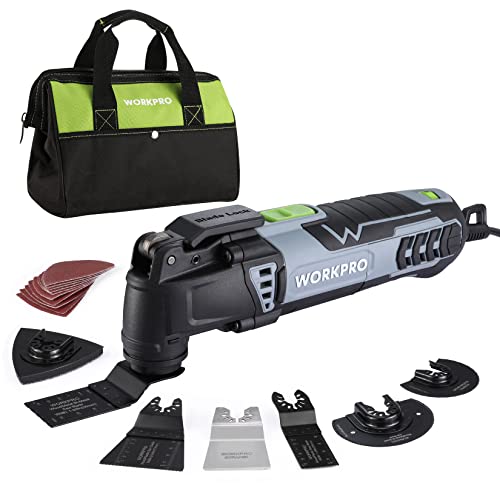
- A 3.0-amp motor with a 3-degree oscillation angle handles cutting, sawing, and sanding around the home.
- Seven speed settings run from 15,000 to 23,000 oscillations per minute for different materials and tasks.
- Blades change without tools in three steps, and the top on-off switch plus ergonomic shape keep the tool easy to control.
DEKOPRO 20V Cordless Oscillating Tool

- A 20-volt cordless body with a 4-amp-hour battery works away from an outlet, and blades change without tools.
- Six speed settings run from 5,000 to 18,000 oscillations per minute through the variable speed dial.
- A 3.2-degree swing angle cuts faster than narrower angles, and an LED light plus soft grip aid visibility and comfort.
Prime covers fast, free delivery on eligible items. See whether a Prime free trial is available for your account.
Check Prime on Amazon →



Write Your Review
No reviews yet. Be the first to share your experience!