
Cleaning a hammer drill is a short job that pays off every time you use it. Dust and debris collect in vents, around the switch, and on discs, blades, and chucks, and left alone they cause heat, wear, and rough performance. This article walks through a safe cleaning routine step by step, from unplugging the tool to clearing vents and caring for cords and batteries. It takes only a few minutes after each job, and it keeps the tool running smoothly for years.
Before You Start
Cleaning starts with safety. Unplug the hammer drill or remove the battery before you touch any part of it, and make sure the switch is off. This step takes seconds and prevents the tool from starting while your hands are near the blade, disc, or chuck. Remove the accessory as well, since a clean tool is easier to handle without a sharp edge in the way.
Work in a clear spot with good light, and keep a brush, a cloth, and compressed air close by. A small brush clears dust from vents and crevices, a cloth wipes the housing, and compressed air blows dust out of vents. Having the supplies ready before you start keeps the job quick and thorough. A clear bench also keeps small parts from rolling away while you work. Never clean a tool that is still plugged in or fitted with a battery.
Removing Dust and Debris
Dust and debris collect on every surface of a hammer drill during use. Brush off the body, the grip, and the accessory area with a soft brush, working dust away from vents and openings rather than into them. A dry cloth picks up the remaining film, and a slightly damp cloth can remove grime from the housing. Dry the tool fully before storage so moisture does not sit on metal parts.
Pay attention to the accessory mount, the chuck, and the guard, since dust gathers there and can jam moving parts. A brush and a cloth usually clear these spots, and a small pick can lift packed dust from a groove. Keep the work slow and gentle, since forcing dust deeper into the tool causes more harm than leaving it alone. A clean mount also holds accessories more firmly.
Cleaning Vents
Vents need regular cleaning because they carry cooling air to the motor. Blow short bursts of compressed air through the vents, holding the nozzle a short distance away so dust is pushed out rather than driven deeper inside. Work around all the vents, not just the ones you can see easily, and follow with a soft brush to clear any dust that remains on the surface.
Do this after dusty jobs and a few times a year even with light use. A tool with clogged vents runs hotter, and heat wears the motor and bearings faster. Check the vents in bright light after blowing them out, since dust can hide in the corners of the grille. If you work with masonry, drywall, or metal, dust builds up quickly, so clean the vents after each of those jobs. A few minutes of cleaning here protects the most expensive part of the tool.
Blades, Discs, and Chucks
Accessories need cleaning too. Wipe blades and discs with a dry cloth to remove dust and resin, and check them for chips, cracks, or dull edges while you have them in hand. A damaged accessory should be replaced, not cleaned and reused. Chucks and blade mounts benefit from a brush to clear dust from the jaws and threads, which keeps them gripping firmly.
Store cleaned accessories flat and dry, in sleeves or a case that protects their edges. A disc stored loose in a drawer can chip against other tools, and a blade with damaged teeth cuts poorly. Keeping accessories clean and sorted also means you can see at a glance which ones need replacing. Fresh, clean accessories make the next job start smoothly.
Cords and Batteries
Cords collect dust and grime along their length, so wipe the cord with a damp cloth and check it for nicks or fraying as you go. Pay close attention to the spots where the cord enters the tool and the plug, since those bend most and wear first. Coil the cord loosely for storage, and keep it away from sharp edges and heat. A damaged cord should be repaired or replaced before the next use.
Batteries need a wipe as well. Clean the contacts with a dry cloth so dust does not block the connection, and store batteries in a cool, dry place. Keep them charged for storage rather than flat, and avoid leaving them in heat or damp. A clean battery with clean contacts powers the tool more reliably and holds its charge longer.
Keeping Accessories Clean
Accessories last longer when they are cleaned with the tool. Wipe blades and discs after each job to remove dust and resin, and check the teeth or edges for damage while you have them in hand. A blade that is cleaned promptly cuts better next time, while one left dirty can rust or clog. Store cleaned accessories in sleeves or a case so their edges stay sharp.
A small organizer keeps accessories sorted by size and material, so you can find the right one without digging through a drawer. Set aside dull or damaged pieces for replacement, and keep a few fresh spares for the materials you use most. Clean accessories and a tidy store mean the next job starts fast, with the right part ready to fit.
Frequently Asked Questions
How often should I clean my hammer drill? Wipe it after every use and clean the vents after dusty jobs. A deeper clean a few times a year keeps the tool in good shape. Tools used daily need more frequent cleaning than tools used once a month, yet even occasional users should clean the vents regularly.
Can I use water to clean my hammer drill? A slightly damp cloth is fine for the housing, yet water should never enter the vents, the switch, or the motor. Compressed air and a dry brush are better for vents and electrical parts. If the tool gets wet, let it dry fully in a warm, dry place before you use it again.
Related products
The six hammer drills below show different mixes of power, comfort, and accessories. Compare them against the jobs on your list and the features covered in this article.
DEWALT 20V MAX SDS Rotary Hammer Drill
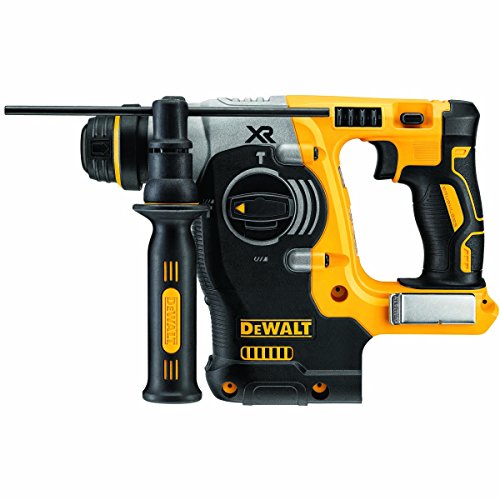
- A cordless SDS rotary hammer delivers 2.1 joules of impact energy for fast drilling in concrete.
- Three application modes suit different jobs, and active vibration control reduces vibration felt at the handles.
- A lightweight brushless design suits rod hanging, cable tray, and strut mounting work, and the bare tool fits owners who already own 20-volt MAX batteries.
CRAFTSMAN V20 Cordless Hammer Drill Kit

- A 1/2-inch cordless hammer drill with a high-performance motor produces 280 unit watts out for heavy-duty jobsite work.
- A 1/2-inch ratcheting chuck holds bits firmly, and the drill reaches 25,500 blows per minute for faster drilling in concrete and brick.
- The kit includes two batteries and a charger, and the tool is part of the V20 cordless system.
AOBEN 13 Amp SDS-Plus Rotary Hammer Drill

- A 13-amp, 1,500-watt motor delivers strong impact energy for heavy-duty work in concrete, masonry, and metal.
- Three modes switch between hammer only, hammer drill, and drill only, with double switch buttons for changing functions.
- The set includes three drill bits, a flat chisel, a point chisel, a carrying case, and spare carbon brushes.
DEKOPRO 1-1/4-Inch SDS-Plus Rotary Hammer Drill

- A 12.5-amp motor runs up to 1,000 revolutions per minute and 4,600 blows per minute, with 5.5 joules of impact energy.
- Four modes cover drill only, chiseling only, hammer drill, and chisel rotation for concrete, brick, masonry, metal, and wood.
- A safety clutch helps prevent overload, and a 360-degree adjustable auxiliary handle improves handling and balance.
DCK 20V Brushless Hammer Drill

- A brushless 20-volt motor outputs 600 watts and delivers 531 inch-pounds of torque for demanding tasks.
- An impact rate of 36,000 impacts per minute drives fast drilling in brick and other tough materials.
- Two speed settings run up to 550 and 2,200 revolutions per minute, with a 22+1+1 torque clutch and a 4.0-amp-hour battery.
ENEACRO 1-1/4-Inch SDS-Plus Rotary Hammer Drill

- A 13-amp motor delivers 5.5 foot-pounds (7.4 joules) of impact energy for heavy-duty concrete work.
- Four functions cover drill only, hammer only, hammer drill, and chisel rotation, with a maximum drilling diameter of 1.25 inches in concrete and 0.5 inch in metal.
- A safety clutch protects the wrist from high torque, and a 360-degree adjustable handle suits different working positions.
Prime covers fast, free delivery on eligible items. See whether a Prime free trial is available for your account.
Check Prime on Amazon →



Write Your Review
No reviews yet. Be the first to share your experience!